


How can the surface treatment of a microporous sound-absorbing honeycomb aluminum panel enhance its moisture resistance in humid environments?
Release Time : 2026-02-06
The key to the stable performance of microporous sound-absorbing honeycomb aluminum panels in humid environments lies in the moisture-proof design of their surface treatment process. These panels use aluminum alloy as the base material and achieve sound absorption through a composite structure of micro-perforated panels and a honeycomb core. The surface treatment process directly determines their durability in high-humidity environments. While aluminum alloy itself possesses a certain degree of corrosion resistance, it can still oxidize or mold in humid environments due to moisture penetration. Therefore, a multi-layered protective system is necessary to enhance moisture resistance.
Fluorocarbon coating is one of the most commonly used moisture-proof surface treatment processes for microporous sound-absorbing honeycomb aluminum panels. This process involves a three-coat, two-bake process to form a dense fluorocarbon resin coating on the aluminum panel surface. The fluorine-carbon bonds in the fluorocarbon molecular structure have extremely strong chemical stability, effectively blocking the intrusion of moisture, salt spray, and corrosive substances. Simultaneously, the pigment particles in the coating fill the micropores on the aluminum surface, further reducing the path for moisture penetration. This treatment method not only improves the moisture resistance of the sheet material but also endows it with excellent weather resistance, enabling long-term protection against environmental corrosion such as acid rain and ultraviolet radiation.
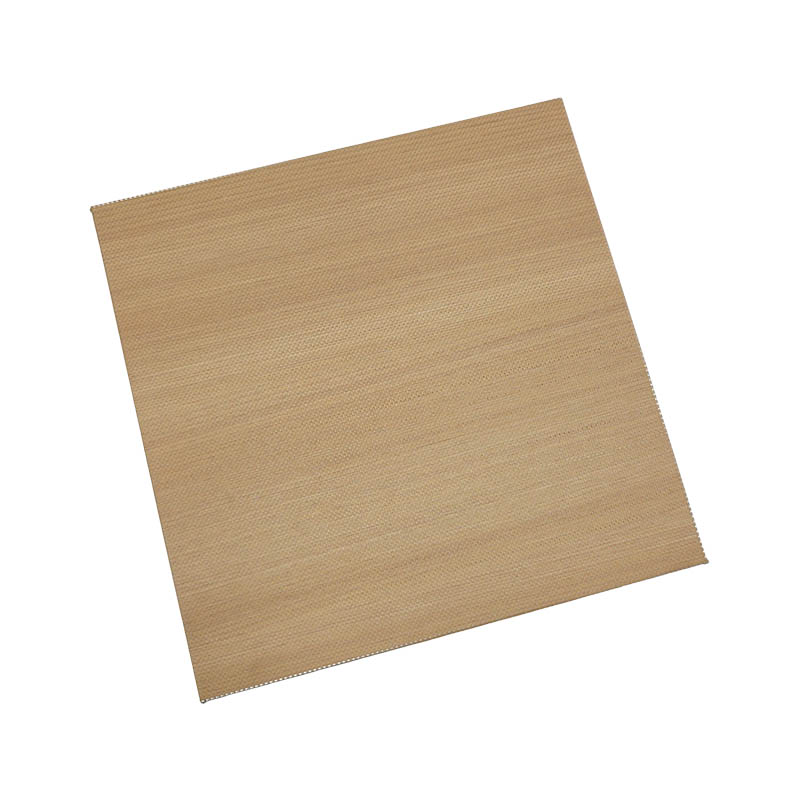
The lamination process involves attaching a layer of polymer film to the surface of the aluminum sheet, forming a physical isolation layer. This film is typically made of polyvinyl chloride (PVC) or polyester (PET), which has extremely low water absorption and good flexibility. The lamination process requires strict control of temperature and pressure to ensure a tight bond between the film and the aluminum substrate, preventing edge lifting or air bubbles. High-quality lamination creates a seamless protective layer on the sheet surface, maintaining dryness even in high-humidity environments and preventing mold or deformation caused by moisture accumulation.
Anodizing treatment generates a dense alumina film on the aluminum surface through electrolysis. This film has a porous structure, requiring subsequent sealing processes (such as hot water sealing or nickel salt sealing) to close the pores and improve moisture resistance. The thickness and density of the oxide film directly affect the protective effect; a thicker film provides stronger corrosion resistance but may reduce the flexibility of the sheet material. Therefore, the anodizing process needs to balance the film thickness and performance requirements according to the specific application scenario to ensure that the processing performance of the board is maintained while achieving moisture resistance.
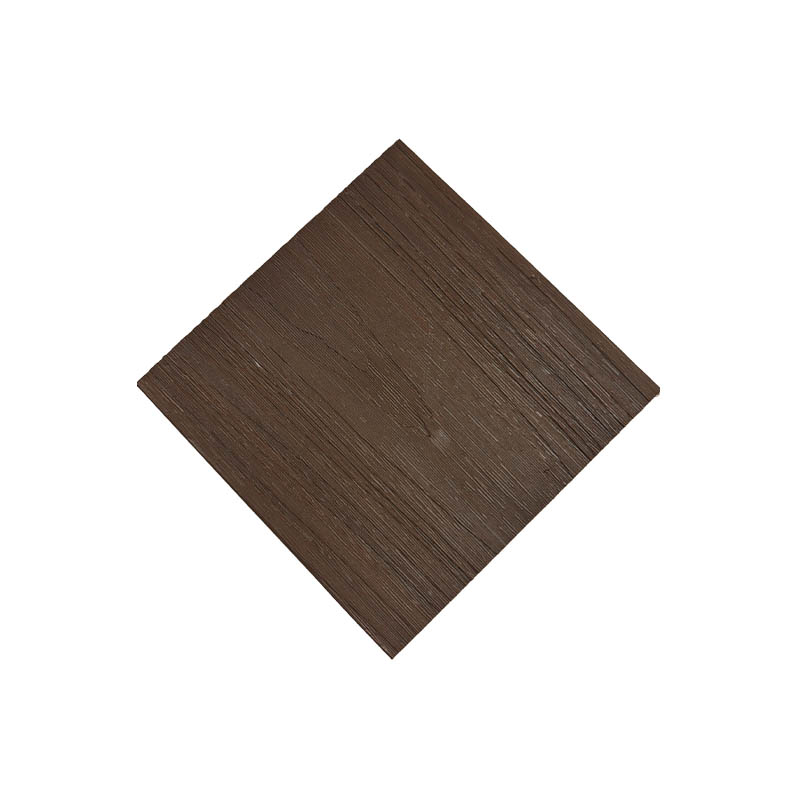
The stone composite process combines natural stone slabs with aluminum honeycomb panels to form a composite material with both sound absorption and moisture resistance. Stone itself has extremely low water absorption, effectively blocking moisture penetration. High-strength adhesives are required during the composite process to ensure a strong bond between the stone and the aluminum substrate, preventing delamination or cracking due to thermal expansion and contraction. This treatment not only improves the moisture resistance of the board but also gives it the texture and feel of natural stone, meeting the needs of high-end decorative scenarios.
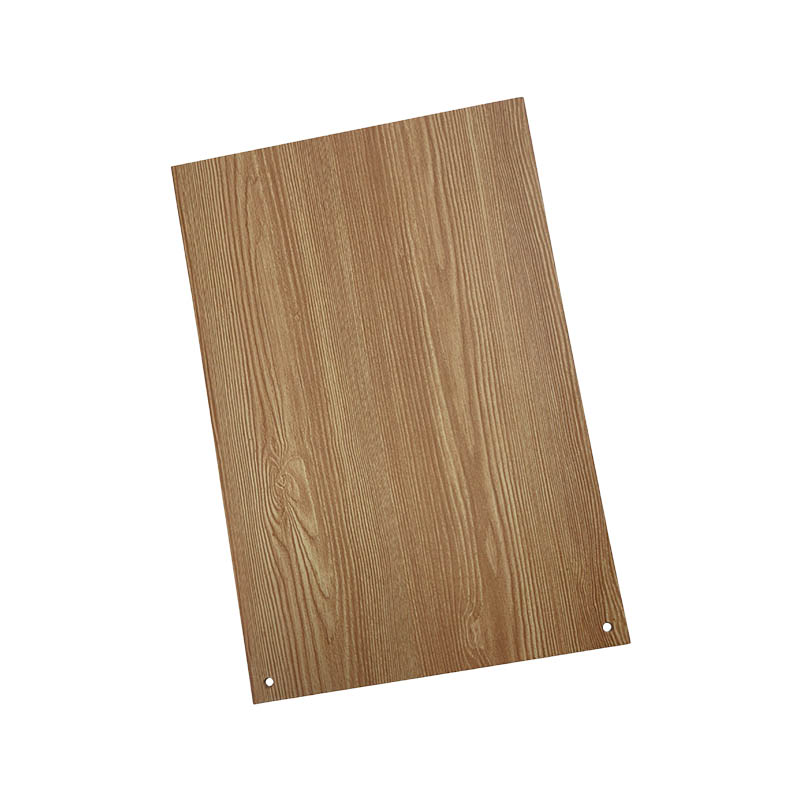
The heat transfer wood grain process transfers wood grain patterns to the surface of an aluminum plate under high temperature and pressure, creating a realistic decorative effect. This process requires a primer coating on the aluminum surface to enhance the adhesion and durability of the pattern. The primer is usually made of epoxy resin or polyurethane, which has excellent moisture resistance, preventing moisture from penetrating the aluminum substrate through the pattern layer. The combination of heat transfer printing and a moisture-resistant primer allows the panel to maintain its beautiful wood grain while providing long-term moisture resistance.
The synergistic effect of surface treatment processes is key to the moisture-resistant performance of the microporous sound-absorbing honeycomb aluminum panel. For example, the combined use of fluorocarbon spraying and film coating processes creates a dual-layer protective system of "chemical protection + physical isolation," significantly improving the panel's adaptability to extremely humid environments. Simultaneously, the surface treatment process must be compatible with the panel's honeycomb structure design to ensure that sound absorption performance is not affected. By optimizing process parameters and material selection, microporous sound-absorbing honeycomb aluminum panels can maintain stable performance in humid environments for extended periods, providing a reliable solution for the fields of architectural acoustics and decoration.