


What surface treatment process can be used for metal great wall panels to ensure both natural and realistic textures while maintaining the durability and moisture-proof properties of the metal itself?
Release Time : 2026-02-28
In the field of modern architectural decoration, metal great wall panels, with their unique three-dimensional lines and superior physical properties, are gradually replacing traditional wood and plastic panels, becoming a new favorite for interior ceilings, walls, and commercial space design. However, the inherently cold and hard texture of metal materials often fails to satisfy people's pursuit of a natural and warm atmosphere.
1. Thermal Transfer Technology: Capturing the Soul of Natural Textures
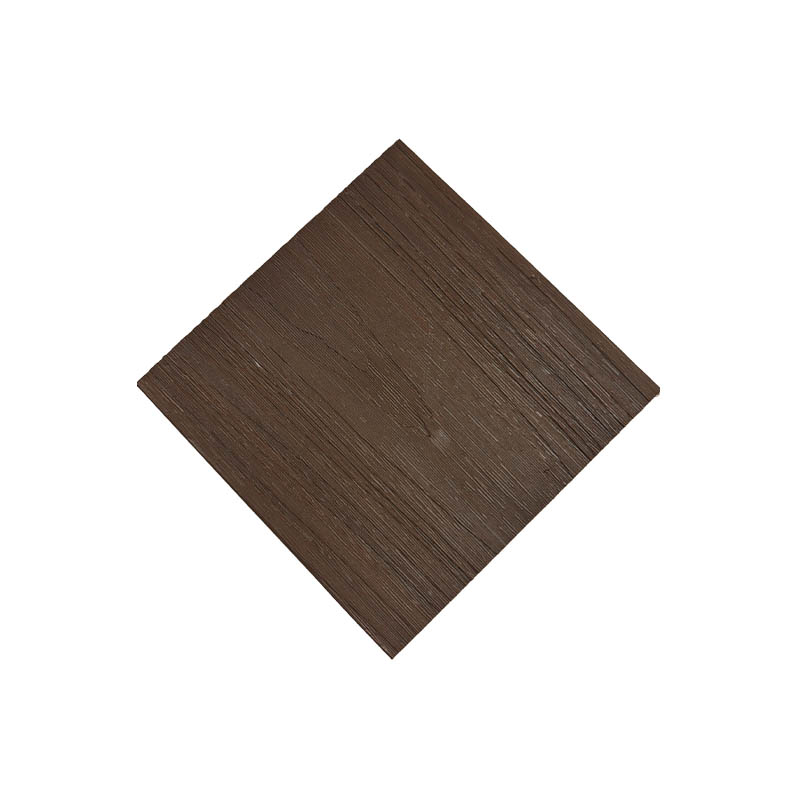
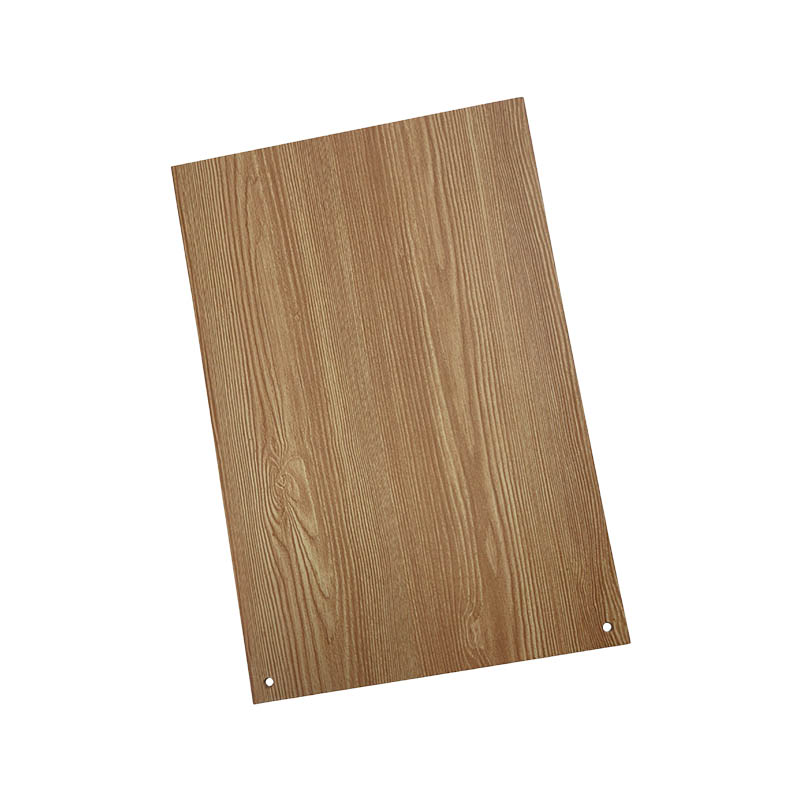
To achieve "natural and realistic textures," vacuum thermal transfer technology is currently the most mainstream solution. This process is not a simple surface printing, but a deep-penetrating physicochemical process. First, a precise pretreatment is performed on the surface of the aluminum alloy substrate to form a dense conversion film. Then, special transfer paper printed with high-definition wood grain patterns is tightly adhered to the board and placed in a vacuum high-temperature environment. Under high temperature and pressure, the active dyes on the transfer paper instantly vaporize, penetrate the micropores on the substrate surface, directly seep into the coating, and solidify. This "penetrating" coloring process ensures that the wood grain not only remains on the surface but is integrated with the coating.
2. Nano-roller coating and powder coating: Building a durable protective armor
Maintaining the durability and moisture resistance of the metal while ensuring aesthetics hinges on the selection and application of the surface protective coating. High-end metal great wall panels typically employ fluorocarbon or polyester powder coating processes, incorporating nano-modification technology. Fluorocarbon resin, hailed as the "king of coatings," contains extremely strong carbon-fluorine bonds in its molecular structure, exhibiting excellent weather resistance, acid and alkali corrosion resistance, and UV resistance.
3. Polymer lamination technology: A dual enhancement of texture and environmental friendliness
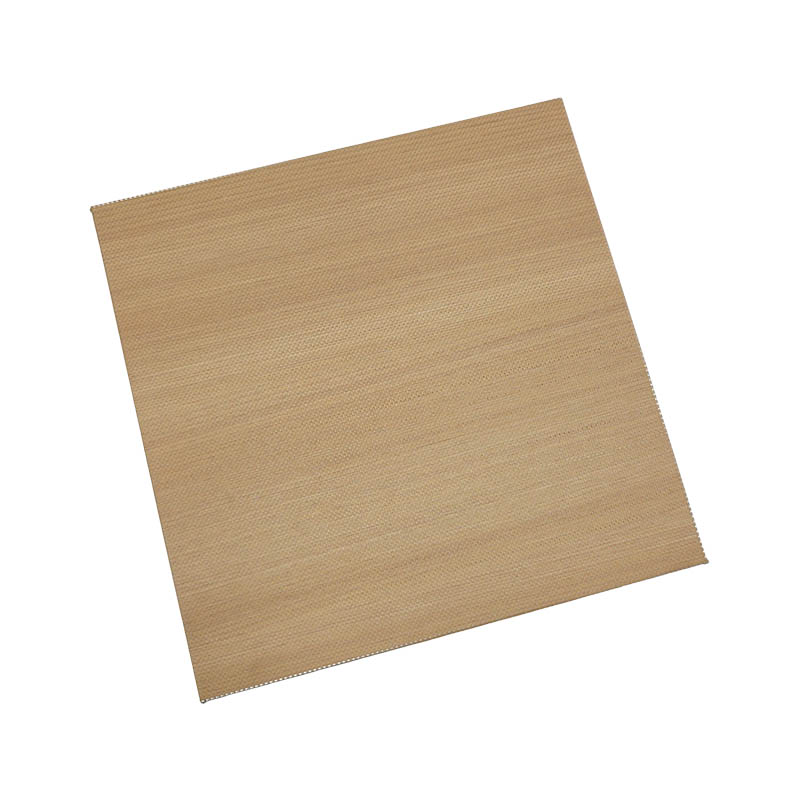
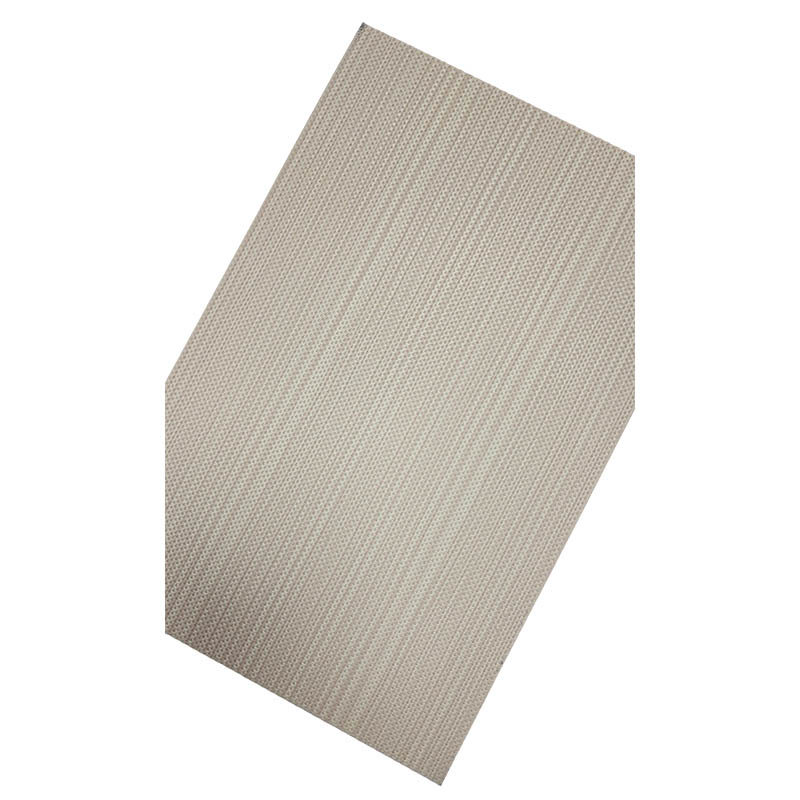
Besides printing and spraying, high-quality polymer lamination is also a crucial means of achieving realistic finishes. This process involves bonding a pre-prepared decorative film with a three-dimensional texture to a metal substrate using a high-performance adhesive at high temperatures. Modern lamination technology can not only simulate wood grain but also present various textures such as fabric and stone, with a warm surface feel that eliminates the coldness of metal. The high-quality coating material itself is an environmentally friendly and non-toxic product. Combined with the use of solvent-free adhesives, this ensures the finished product is odorless, ready to use immediately after installation, and meets the stringent standards of green building. The coating layer acts as an independent physical barrier, further isolating moisture and corrosive gases, enhancing the overall stability of the panel.
In summary, the reason why the metal Great Wall Panel combines natural and realistic textures with the inherent durability and moisture resistance of metal is due to the deep coloring of the heat transfer technology, the tough protection of the nano-fluorocarbon coating, and the texture enhancement of the polymer coating. These advanced surface treatment processes maximize the potential of the environmentally friendly and high-quality substrate, not only giving the space a unique textural aesthetic and excellent sound and heat insulation performance, but also solving the pain points of traditional decorative materials such as difficult maintenance and short lifespan.
1. Thermal Transfer Technology: Capturing the Soul of Natural Textures
To achieve "natural and realistic textures," vacuum thermal transfer technology is currently the most mainstream solution. This process is not a simple surface printing, but a deep-penetrating physicochemical process. First, a precise pretreatment is performed on the surface of the aluminum alloy substrate to form a dense conversion film. Then, special transfer paper printed with high-definition wood grain patterns is tightly adhered to the board and placed in a vacuum high-temperature environment. Under high temperature and pressure, the active dyes on the transfer paper instantly vaporize, penetrate the micropores on the substrate surface, directly seep into the coating, and solidify. This "penetrating" coloring process ensures that the wood grain not only remains on the surface but is integrated with the coating.
2. Nano-roller coating and powder coating: Building a durable protective armor
Maintaining the durability and moisture resistance of the metal while ensuring aesthetics hinges on the selection and application of the surface protective coating. High-end metal great wall panels typically employ fluorocarbon or polyester powder coating processes, incorporating nano-modification technology. Fluorocarbon resin, hailed as the "king of coatings," contains extremely strong carbon-fluorine bonds in its molecular structure, exhibiting excellent weather resistance, acid and alkali corrosion resistance, and UV resistance.
3. Polymer lamination technology: A dual enhancement of texture and environmental friendliness
Besides printing and spraying, high-quality polymer lamination is also a crucial means of achieving realistic finishes. This process involves bonding a pre-prepared decorative film with a three-dimensional texture to a metal substrate using a high-performance adhesive at high temperatures. Modern lamination technology can not only simulate wood grain but also present various textures such as fabric and stone, with a warm surface feel that eliminates the coldness of metal. The high-quality coating material itself is an environmentally friendly and non-toxic product. Combined with the use of solvent-free adhesives, this ensures the finished product is odorless, ready to use immediately after installation, and meets the stringent standards of green building. The coating layer acts as an independent physical barrier, further isolating moisture and corrosive gases, enhancing the overall stability of the panel.
In summary, the reason why the metal Great Wall Panel combines natural and realistic textures with the inherent durability and moisture resistance of metal is due to the deep coloring of the heat transfer technology, the tough protection of the nano-fluorocarbon coating, and the texture enhancement of the polymer coating. These advanced surface treatment processes maximize the potential of the environmentally friendly and high-quality substrate, not only giving the space a unique textural aesthetic and excellent sound and heat insulation performance, but also solving the pain points of traditional decorative materials such as difficult maintenance and short lifespan.