


How can corrugated aluminum panels enhance visual depth and artistic expression in architectural decoration?
Release Time : 2026-04-30
In modern architectural decoration, materials not only serve structural and protective functions but also act as crucial mediums for expressing design concepts. Corrugated aluminum panels, with their unique undulating shapes and diverse surface treatments, offer significant advantages in enhancing the visual depth and artistic expression of buildings. The core lies in creating a rich spatial experience through the combination of "form variation and light and shadow interaction."
1. Corrugated Structure Creates Three-Dimensional Depth
Compared to traditional flat panels, corrugated aluminum panels break the visual monotony of a single plane through their continuous undulating geometric shapes. Different corrugation heights and spacings can create a rhythmic three-dimensional effect, giving walls or ceilings a layered visual hierarchy. This structure not only enhances spatial depth but also makes the building surface more dynamic.
2. Light and Shadow Variation Enrich Visual Effects
The corrugated structure produces alternating light and shadow under illumination. As the angle of the light source changes, the surface shadows constantly shift, giving the building's exterior a dynamic visual experience. This interplay of light and shadow not only enhances spatial expressiveness but also imbues the architecture with a stronger artistic appeal, allowing it to display different appearances at different times.
3. Diverse Surface Treatments Enhance Expressiveness
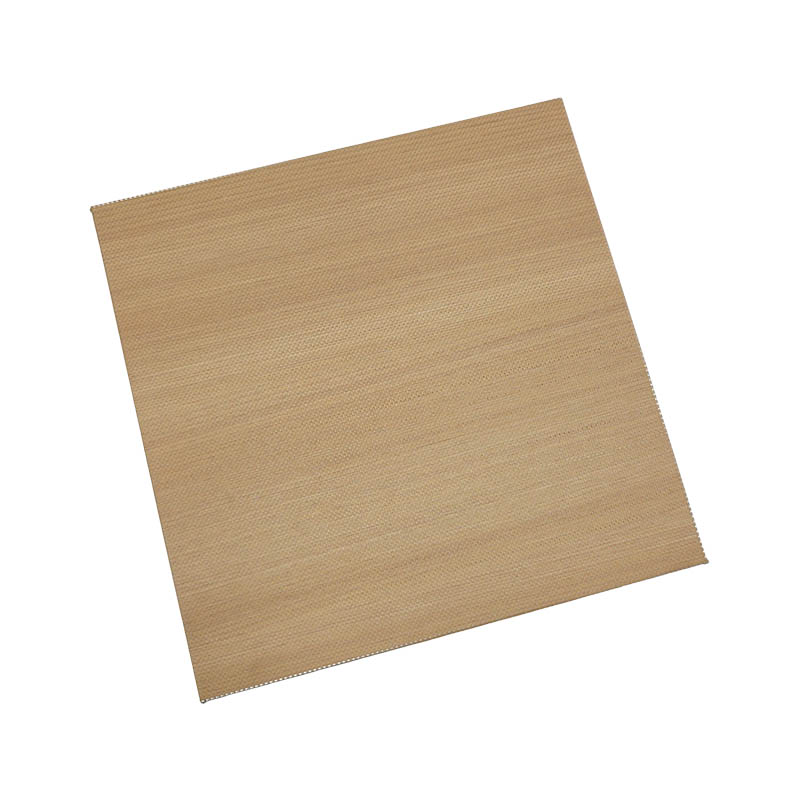
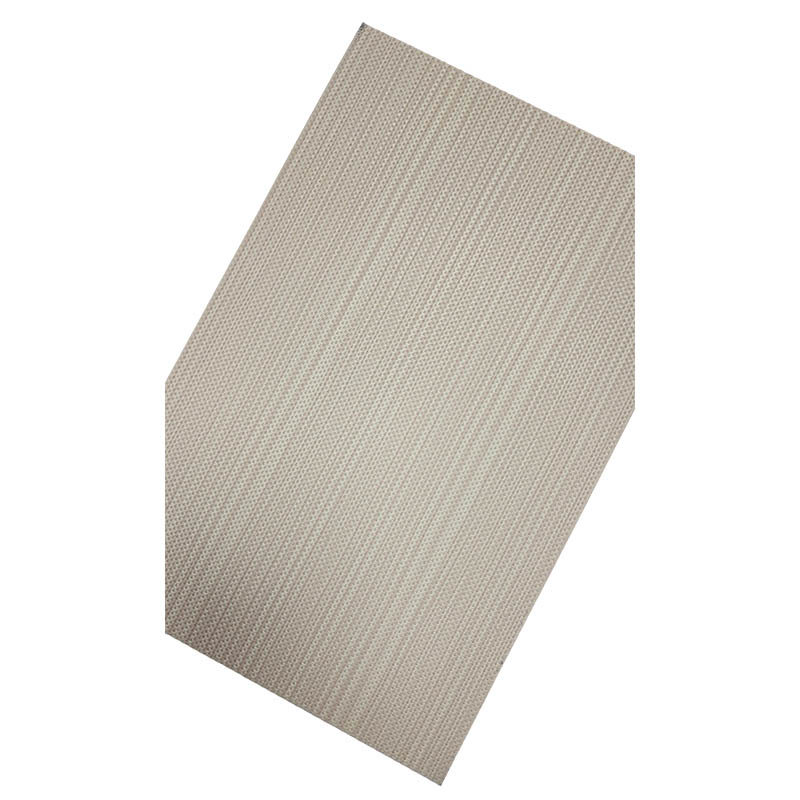
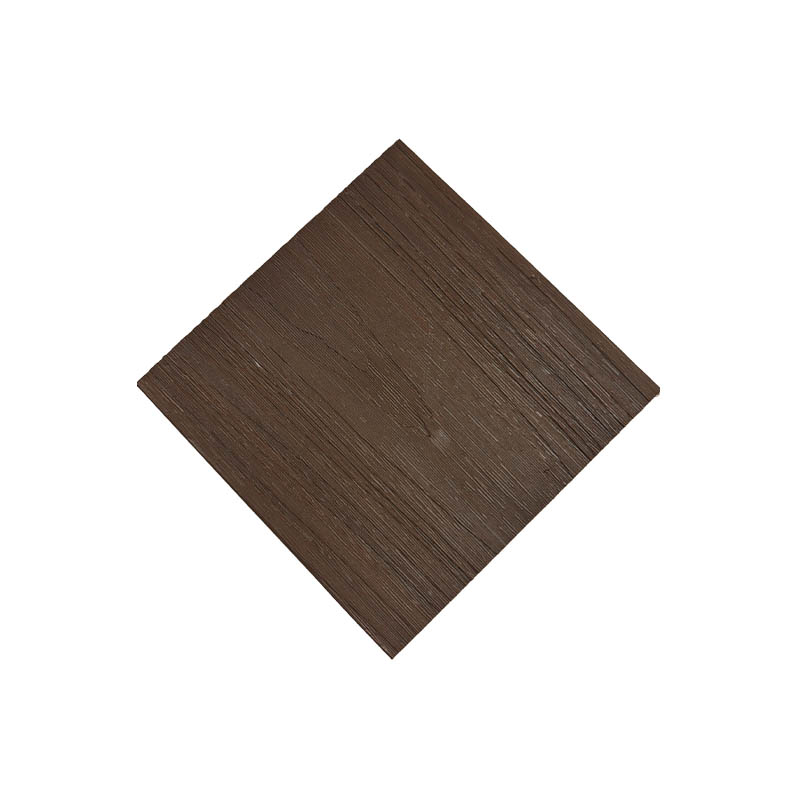
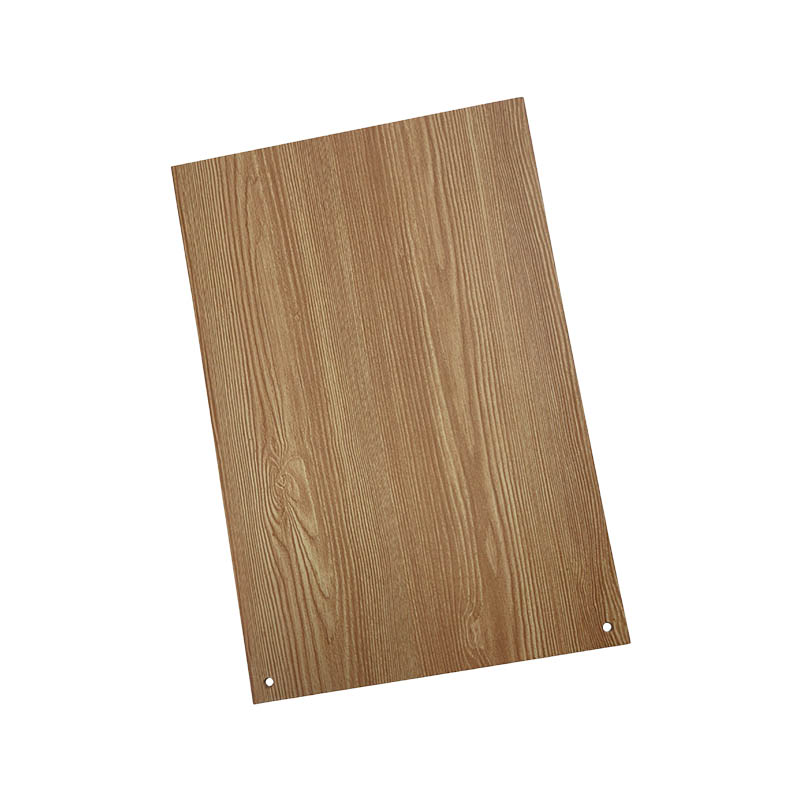
Corrugated aluminum panels can achieve various visual effects through a variety of coatings and textures, such as metallic textures, stone-like patterns, or wood grain finishes. These surface treatments, combined with corrugated structures, give the material a modern feel while also allowing it to integrate into various design styles. Designers can flexibly choose colors and textures according to project requirements to enhance the overall artistic expression.
4. Modular Design Improves Overall Harmony
In practical applications, corrugated aluminum panels are typically installed in a modular form, achieving overall harmony through uniform size and arrangement. Simultaneously, visual focal points can be created through local variations or combinations, making the space dynamic within unity. This design approach helps maintain a sense of order and artistry in large-scale applications.
5. Adaptable to Multiple Scenarios to Showcase Design Creativity
Corrugated aluminum panels are widely used in public spaces such as theaters and exhibition halls, where high visual impact is required. By arranging and combining corrugated patterns in different directions, diverse spatial atmospheres can be created, such as emphasizing solemnity or enhancing dynamism, thus better serving the architectural function and thematic expression.
Overall, corrugated aluminum panels, through the comprehensive application of structural form, light and shadow effects, and surface treatment, achieve an enhancement of visual hierarchy and artistic expression in architectural decoration. The key lies in transforming the material itself into a design language, enabling the building to present a richer and more vibrant visual experience beyond its function.
1. Corrugated Structure Creates Three-Dimensional Depth
Compared to traditional flat panels, corrugated aluminum panels break the visual monotony of a single plane through their continuous undulating geometric shapes. Different corrugation heights and spacings can create a rhythmic three-dimensional effect, giving walls or ceilings a layered visual hierarchy. This structure not only enhances spatial depth but also makes the building surface more dynamic.
2. Light and Shadow Variation Enrich Visual Effects
The corrugated structure produces alternating light and shadow under illumination. As the angle of the light source changes, the surface shadows constantly shift, giving the building's exterior a dynamic visual experience. This interplay of light and shadow not only enhances spatial expressiveness but also imbues the architecture with a stronger artistic appeal, allowing it to display different appearances at different times.
3. Diverse Surface Treatments Enhance Expressiveness
Corrugated aluminum panels can achieve various visual effects through a variety of coatings and textures, such as metallic textures, stone-like patterns, or wood grain finishes. These surface treatments, combined with corrugated structures, give the material a modern feel while also allowing it to integrate into various design styles. Designers can flexibly choose colors and textures according to project requirements to enhance the overall artistic expression.
4. Modular Design Improves Overall Harmony
In practical applications, corrugated aluminum panels are typically installed in a modular form, achieving overall harmony through uniform size and arrangement. Simultaneously, visual focal points can be created through local variations or combinations, making the space dynamic within unity. This design approach helps maintain a sense of order and artistry in large-scale applications.
5. Adaptable to Multiple Scenarios to Showcase Design Creativity
Corrugated aluminum panels are widely used in public spaces such as theaters and exhibition halls, where high visual impact is required. By arranging and combining corrugated patterns in different directions, diverse spatial atmospheres can be created, such as emphasizing solemnity or enhancing dynamism, thus better serving the architectural function and thematic expression.
Overall, corrugated aluminum panels, through the comprehensive application of structural form, light and shadow effects, and surface treatment, achieve an enhancement of visual hierarchy and artistic expression in architectural decoration. The key lies in transforming the material itself into a design language, enabling the building to present a richer and more vibrant visual experience beyond its function.