


How do aluminum single panels offer excellent decorative effects?
Release Time : 2026-05-14
In the realm of modern architecture and interior design, the exterior facade and interior surfaces of a building are no longer just physical barriers against the elements. They have evolved into dynamic canvases that express cultural identity, artistic vision, and technological innovation. Among the myriad of materials available to architects and designers, the aluminum single panel stands out as a transformative medium. By combining exceptional malleability with a vast spectrum of aesthetic finishes, aluminum single panels offer excellent decorative effects that allow buildings to transcend the ordinary and become striking urban landmarks.
The most profound decorative advantage of aluminum single panels lies in their limitless shaping capabilities. Unlike traditional materials such as stone or glass, which are often restricted to flat or simply curved surfaces, aluminum panels possess a highly sophisticated malleability. Through advanced processing techniques like CNC bending, rolling, and three-dimensional modeling, these panels can be crafted into virtually any complex geometric form. They can take on the fluidity of flat surfaces, the elegance of single or double curves, and even the intricacy of spherical or irregular hyperbolic shapes. This allows architects to break free from the constraints of rigid, box-like structures and design buildings with dynamic rhythms and organic silhouettes. For instance, iconic structures like the Guangzhou Opera House or the flowing rooflines of modern airport terminals utilize these complex forms to create a sense of movement and lightness, turning the building itself into a massive, cohesive sculpture.
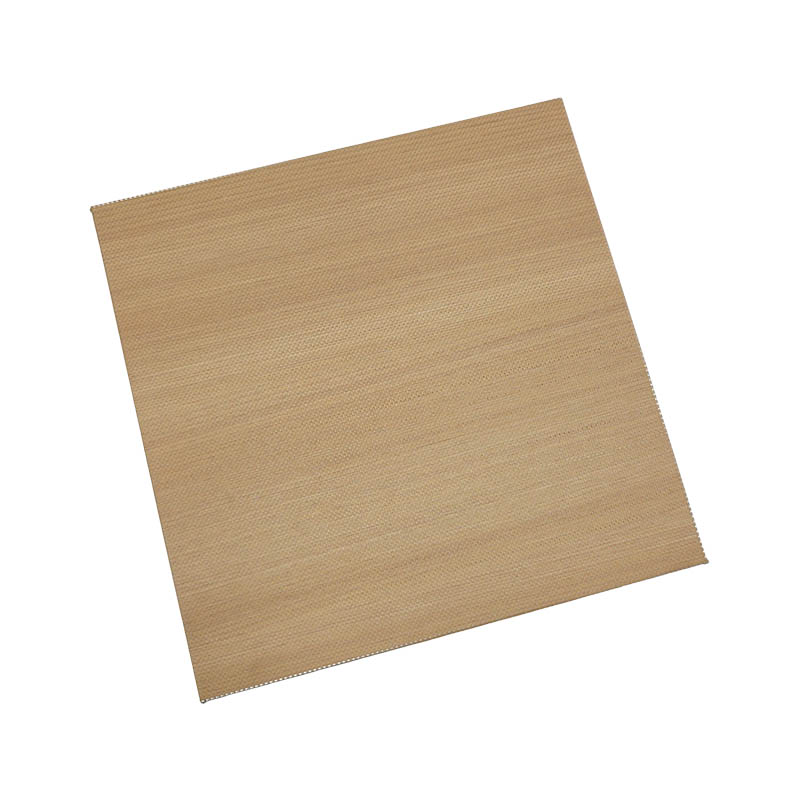
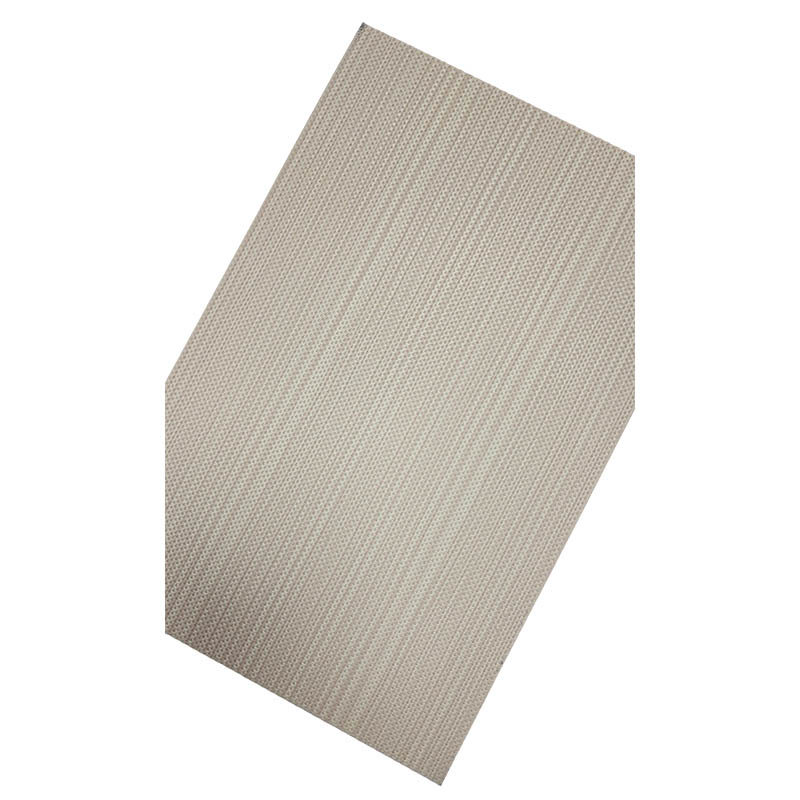
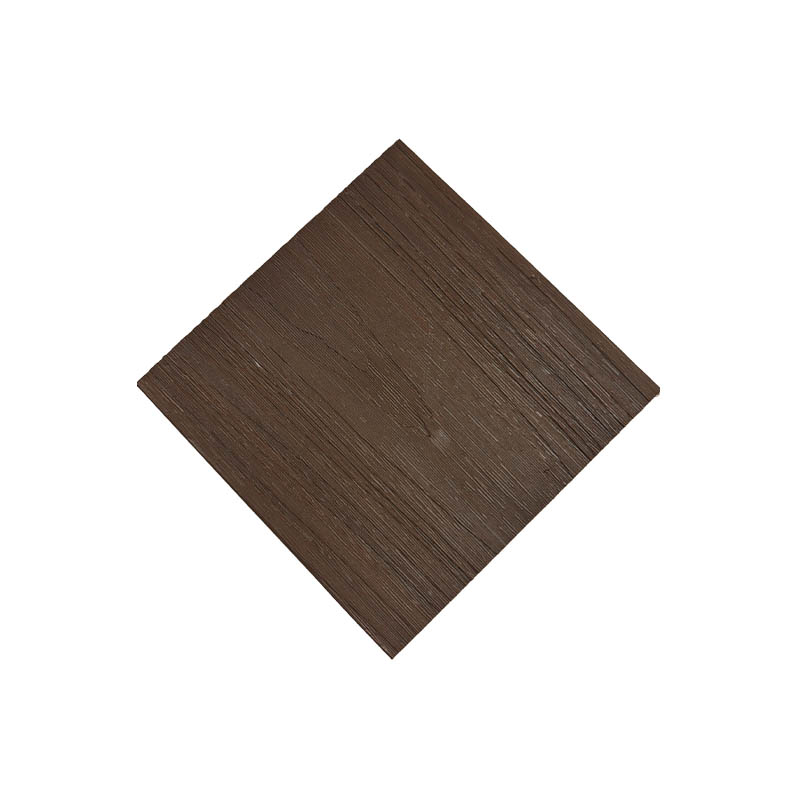
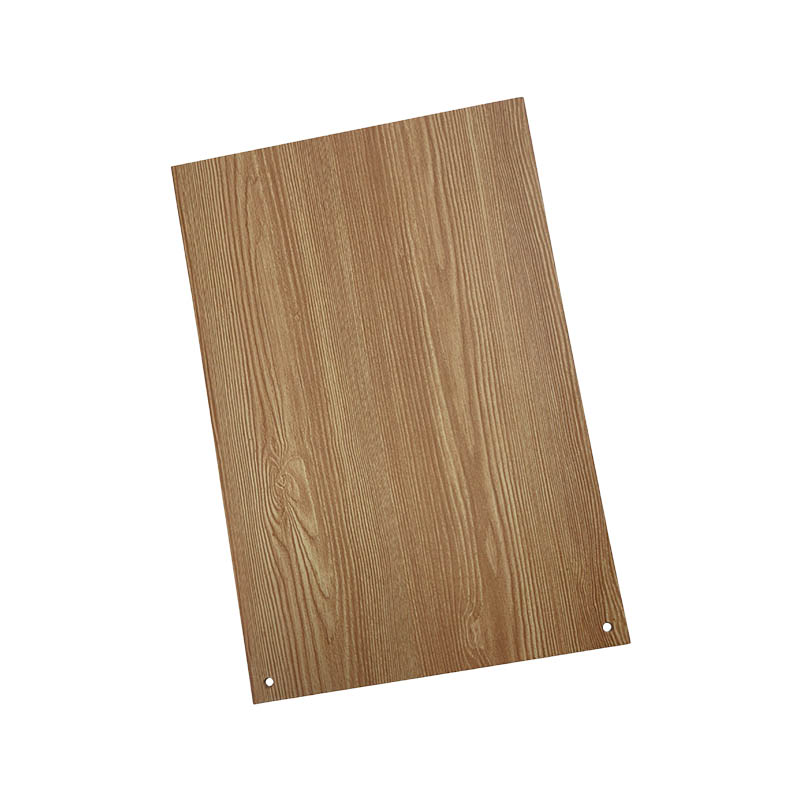
Beyond the manipulation of form, the surface treatment technologies available for aluminum single panels provide an extraordinary palette of colors and textures. Through high-end fluorocarbon spraying and electrostatic powder coating, these panels can be finished in thousands of solid colors with exceptional saturation and consistency. This allows for bold, monochromatic statements or subtle, gradient transitions that change with the light. Furthermore, modern transfer printing and film-laminating technologies enable aluminum to mimic the visual and tactile qualities of natural materials with stunning realism. Wood-grain aluminum panels can recreate the warm, rustic texture of oak or walnut without the risk of rotting or insect damage, while stone-effect finishes can provide the dignified, historical weight of marble or granite at a fraction of the weight. This versatility allows a single material to adapt to diverse design themes, from the sleek minimalism of a tech headquarters to the earthy warmth of a cultural pavilion.
The interaction between aluminum single panels and light further elevates their decorative potential. Perforated aluminum panels, created through precise numerical control punching, act as "light and shadow magicians." By varying the size, density, and pattern of the holes, designers can create intricate visual motifs that transform throughout the day. During daylight hours, sunlight filters through the perforations to cast dappled, ever-changing shadows on the interior spaces. At night, interior lighting can shine outward, turning the building facade into a glowing, semi-transparent lantern. This dynamic interplay of light adds a layer of temporal depth to the architecture, making the building feel alive and responsive to its environment.
Finally, the inherent metallic luster of aluminum adds a unique, contemporary texture/quality that synthetic materials cannot replicate. Whether finished with a high-gloss sheen, a sophisticated matte look, or a brushed metal texture, the surface of an aluminum panel reflects its surroundings in a way that integrates the structure into the cityscape. This metallic quality, combined with its resistance to staining and fading, ensures that the decorative effect remains pristine and vibrant for decades.
In conclusion, aluminum single panels offer excellent decorative effects by merging artistic freedom with engineering precision. Through their ability to assume complex three-dimensional forms, mimic a vast array of natural and synthetic textures, and interact dynamically with light, they empower designers to create spaces that are not only functional but also deeply expressive and visually captivating.
The most profound decorative advantage of aluminum single panels lies in their limitless shaping capabilities. Unlike traditional materials such as stone or glass, which are often restricted to flat or simply curved surfaces, aluminum panels possess a highly sophisticated malleability. Through advanced processing techniques like CNC bending, rolling, and three-dimensional modeling, these panels can be crafted into virtually any complex geometric form. They can take on the fluidity of flat surfaces, the elegance of single or double curves, and even the intricacy of spherical or irregular hyperbolic shapes. This allows architects to break free from the constraints of rigid, box-like structures and design buildings with dynamic rhythms and organic silhouettes. For instance, iconic structures like the Guangzhou Opera House or the flowing rooflines of modern airport terminals utilize these complex forms to create a sense of movement and lightness, turning the building itself into a massive, cohesive sculpture.
Beyond the manipulation of form, the surface treatment technologies available for aluminum single panels provide an extraordinary palette of colors and textures. Through high-end fluorocarbon spraying and electrostatic powder coating, these panels can be finished in thousands of solid colors with exceptional saturation and consistency. This allows for bold, monochromatic statements or subtle, gradient transitions that change with the light. Furthermore, modern transfer printing and film-laminating technologies enable aluminum to mimic the visual and tactile qualities of natural materials with stunning realism. Wood-grain aluminum panels can recreate the warm, rustic texture of oak or walnut without the risk of rotting or insect damage, while stone-effect finishes can provide the dignified, historical weight of marble or granite at a fraction of the weight. This versatility allows a single material to adapt to diverse design themes, from the sleek minimalism of a tech headquarters to the earthy warmth of a cultural pavilion.
The interaction between aluminum single panels and light further elevates their decorative potential. Perforated aluminum panels, created through precise numerical control punching, act as "light and shadow magicians." By varying the size, density, and pattern of the holes, designers can create intricate visual motifs that transform throughout the day. During daylight hours, sunlight filters through the perforations to cast dappled, ever-changing shadows on the interior spaces. At night, interior lighting can shine outward, turning the building facade into a glowing, semi-transparent lantern. This dynamic interplay of light adds a layer of temporal depth to the architecture, making the building feel alive and responsive to its environment.
Finally, the inherent metallic luster of aluminum adds a unique, contemporary texture/quality that synthetic materials cannot replicate. Whether finished with a high-gloss sheen, a sophisticated matte look, or a brushed metal texture, the surface of an aluminum panel reflects its surroundings in a way that integrates the structure into the cityscape. This metallic quality, combined with its resistance to staining and fading, ensures that the decorative effect remains pristine and vibrant for decades.
In conclusion, aluminum single panels offer excellent decorative effects by merging artistic freedom with engineering precision. Through their ability to assume complex three-dimensional forms, mimic a vast array of natural and synthetic textures, and interact dynamically with light, they empower designers to create spaces that are not only functional but also deeply expressive and visually captivating.