


How does the microporous sound-absorbing honeycomb aluminum panel redefine the acoustic and aesthetic boundaries of modern architecture?
Release Time : 2026-06-17
In modern architecture and interior space design, the quality of the acoustic environment directly determines the user experience and functional value of a space. Whether it's a bustling subway station, a concert hall with stringent acoustic requirements, or an open-plan office space seeking efficient communication, noise control and reverberation adjustment remain core challenges for architects and designers. As a high-performance metal composite building material, the microporous sound-absorbing honeycomb aluminum panel, with its superior acoustic performance, exceptional flatness, and robust physical structural strength, is becoming the preferred solution for solving complex spatial acoustic problems and achieving high-end decorative effects. This material not only breaks through the limitations of traditional sound-absorbing materials in terms of fire resistance and moisture resistance but also finds a perfect balance between architectural aesthetics and functional practicality through its unique composite structure.
The core reason why the microporous sound-absorbing honeycomb aluminum panel stands out in acoustic treatment lies in its precise "sandwich" composite structure and scientific sound absorption mechanism. This material consists of a three-layer structure: a microporous sound-absorbing honeycomb aluminum panel, an aluminum honeycomb core, and a solid back panel. When sound waves come into contact with the panel, which is covered with micron-sized pores, some of the sound energy penetrates the pores without obstruction and enters the closed cavity formed by the aluminum honeycomb core. These dense hexagonal honeycomb units act like miniature "acoustic mazes," where sound waves are constantly reflected and rubbed, ultimately converting the sound energy into heat energy and dissipating it. The bottom solid back panel acts as a "sound sealer," blocking any sound waves that are not fully absorbed and preventing sound leakage. This combination of physical resonance and frictional energy dissipation gives it an excellent sound absorption coefficient across a wide frequency range of 20 to 20,000 Hz. It not only effectively eliminates the echo superposition of high-frequency human voices but also accurately captures and reduces low-frequency noises such as air conditioner outdoor unit vibrations and footsteps in the corridor, ensuring a uniform and clear sound field within the space.
In addition to its outstanding acoustic performance, the microporous sound-absorbing honeycomb aluminum panel also demonstrates revolutionary advantages in physical properties and engineering applications. Thanks to the biomimetic honeycomb core's mechanical principles, this material achieves a breakthrough in performance by "bearing the maximum load with the lightest weight." The aluminum honeycomb core, like countless miniature I-beams, transforms external forces into axial stress, giving the panel extremely high compressive and bending stiffness while maintaining an extremely light weight. This makes it ideal for applications with stringent structural load requirements, such as curtain walls of super high-rise buildings and large-span ceilings. Furthermore, the all-aluminum metal substrate provides it with top-tier fire resistance (Class A non-combustible) and excellent weather resistance, including moisture resistance, mildew resistance, and corrosion resistance. Whether in damp underground spaces, swimming pool areas, or theaters and hospitals with extremely high fire safety requirements, it maintains its flatness and shape retention for a long time, completely solving the industry pain points of traditional wooden or fabric sound-absorbing panels, such as easy mold growth, flammability, and difficulty in cleaning.
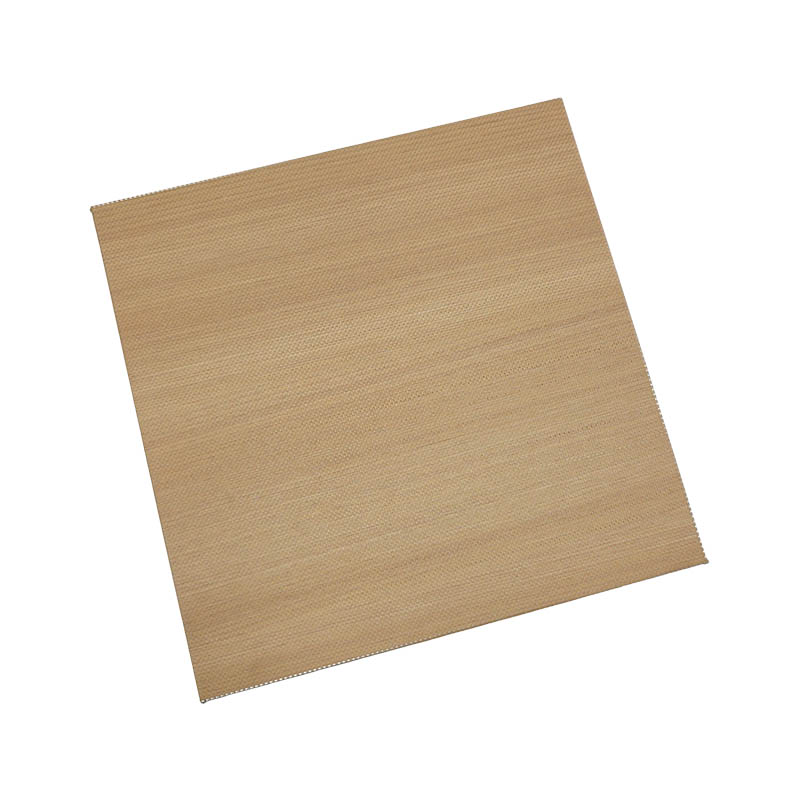
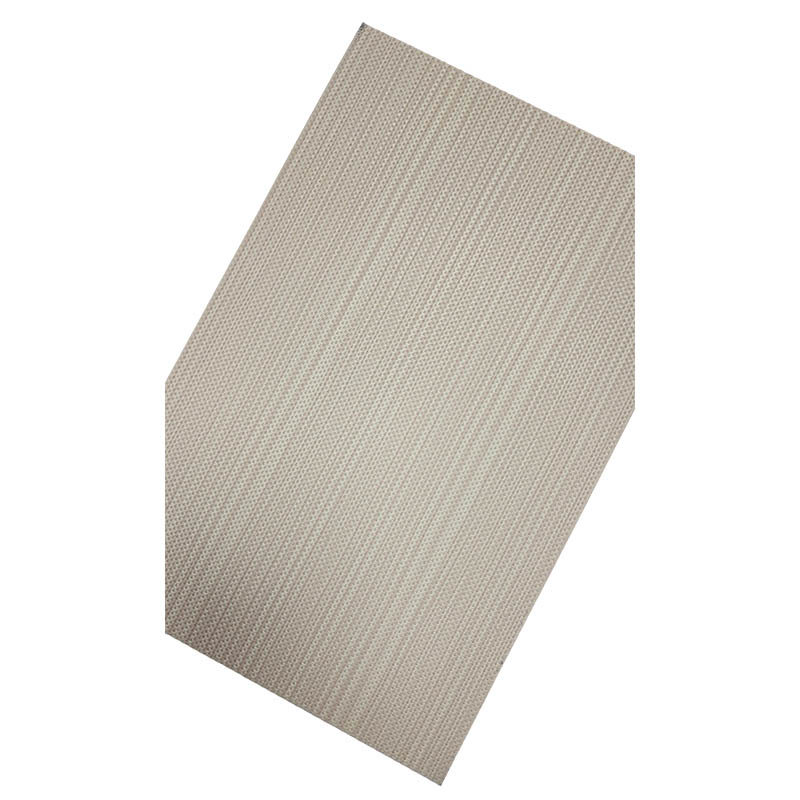
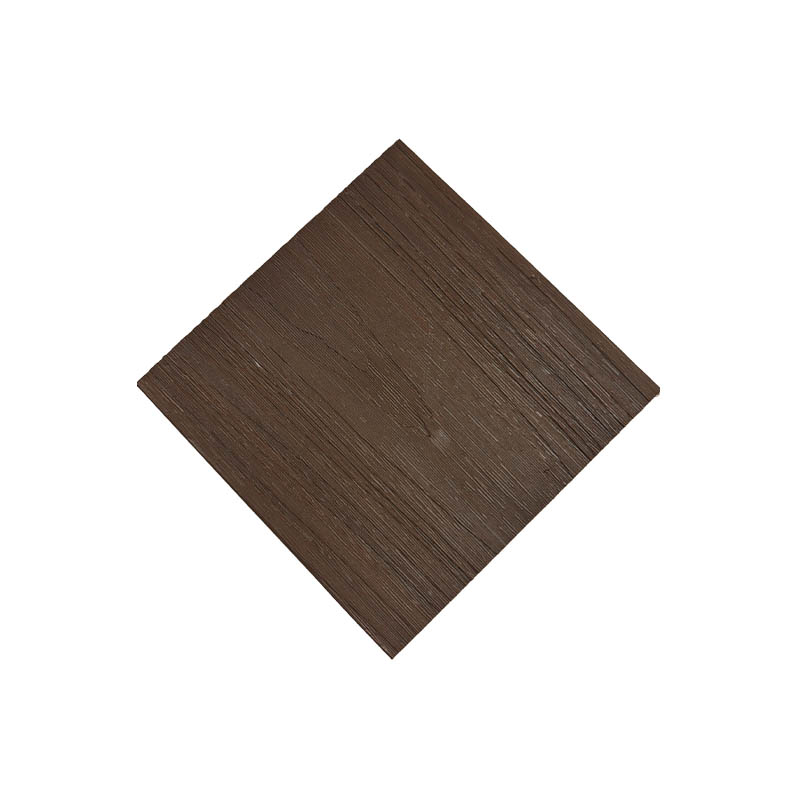
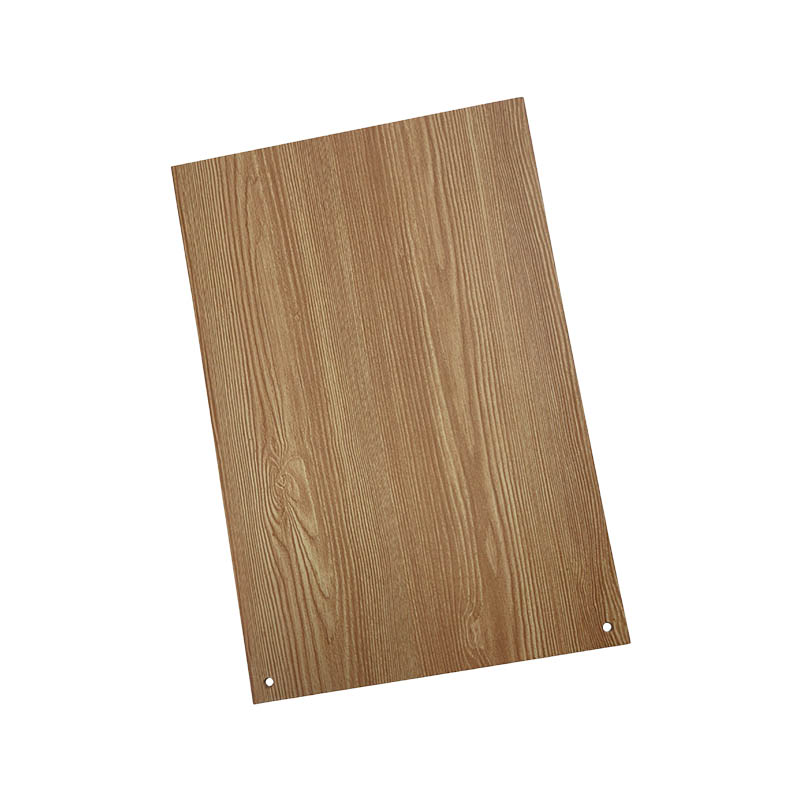
In terms of spatial aesthetics and decorative flexibility, the microporous sound-absorbing honeycomb aluminum panel also provides designers with unlimited creative freedom. Its surface can be treated with various processes such as fluorocarbon spraying, anodizing, and film coating to present rich visual textures such as metallic colors, wood grain, and stone grain. The delicate design of the microporous structure gives the panel an extremely smooth and high-end feel when viewed from a distance, with the texture of the micropores only becoming noticeable upon close inspection. Even more ingeniously, this microporous structure also possesses the characteristics of light and sound transmission. Designers can embed LED light strips behind the panel, allowing light to penetrate the micropores and create a dreamlike "galaxy ceiling" light and shadow effect; or hide speakers behind the sound-absorbing panel, allowing sound to pass through without loss, achieving a seamless integration of sight and sound.
In short, the microporous sound-absorbing honeycomb aluminum panel has long transcended the scope of a single building material; it is a culmination of materials science, structural mechanics, and acoustic design. With its precise microporous structure and honeycomb core layer, it resolves the acoustic crisis of a space; with its lightweight and high-strength metallic properties, it strengthens the building's safety defenses; and with its ever-changing surface finishes, it illuminates the aesthetic soul of the space. As people's demands for the quality of living and public spaces continue to rise, this composite material, which combines sound absorption, heat insulation, fire resistance, and decoration, is driving modern architecture toward a more tranquil, safe, and aesthetically pleasing direction with its irreplaceable comprehensive advantages.
The core reason why the microporous sound-absorbing honeycomb aluminum panel stands out in acoustic treatment lies in its precise "sandwich" composite structure and scientific sound absorption mechanism. This material consists of a three-layer structure: a microporous sound-absorbing honeycomb aluminum panel, an aluminum honeycomb core, and a solid back panel. When sound waves come into contact with the panel, which is covered with micron-sized pores, some of the sound energy penetrates the pores without obstruction and enters the closed cavity formed by the aluminum honeycomb core. These dense hexagonal honeycomb units act like miniature "acoustic mazes," where sound waves are constantly reflected and rubbed, ultimately converting the sound energy into heat energy and dissipating it. The bottom solid back panel acts as a "sound sealer," blocking any sound waves that are not fully absorbed and preventing sound leakage. This combination of physical resonance and frictional energy dissipation gives it an excellent sound absorption coefficient across a wide frequency range of 20 to 20,000 Hz. It not only effectively eliminates the echo superposition of high-frequency human voices but also accurately captures and reduces low-frequency noises such as air conditioner outdoor unit vibrations and footsteps in the corridor, ensuring a uniform and clear sound field within the space.
In addition to its outstanding acoustic performance, the microporous sound-absorbing honeycomb aluminum panel also demonstrates revolutionary advantages in physical properties and engineering applications. Thanks to the biomimetic honeycomb core's mechanical principles, this material achieves a breakthrough in performance by "bearing the maximum load with the lightest weight." The aluminum honeycomb core, like countless miniature I-beams, transforms external forces into axial stress, giving the panel extremely high compressive and bending stiffness while maintaining an extremely light weight. This makes it ideal for applications with stringent structural load requirements, such as curtain walls of super high-rise buildings and large-span ceilings. Furthermore, the all-aluminum metal substrate provides it with top-tier fire resistance (Class A non-combustible) and excellent weather resistance, including moisture resistance, mildew resistance, and corrosion resistance. Whether in damp underground spaces, swimming pool areas, or theaters and hospitals with extremely high fire safety requirements, it maintains its flatness and shape retention for a long time, completely solving the industry pain points of traditional wooden or fabric sound-absorbing panels, such as easy mold growth, flammability, and difficulty in cleaning.
In terms of spatial aesthetics and decorative flexibility, the microporous sound-absorbing honeycomb aluminum panel also provides designers with unlimited creative freedom. Its surface can be treated with various processes such as fluorocarbon spraying, anodizing, and film coating to present rich visual textures such as metallic colors, wood grain, and stone grain. The delicate design of the microporous structure gives the panel an extremely smooth and high-end feel when viewed from a distance, with the texture of the micropores only becoming noticeable upon close inspection. Even more ingeniously, this microporous structure also possesses the characteristics of light and sound transmission. Designers can embed LED light strips behind the panel, allowing light to penetrate the micropores and create a dreamlike "galaxy ceiling" light and shadow effect; or hide speakers behind the sound-absorbing panel, allowing sound to pass through without loss, achieving a seamless integration of sight and sound.
In short, the microporous sound-absorbing honeycomb aluminum panel has long transcended the scope of a single building material; it is a culmination of materials science, structural mechanics, and acoustic design. With its precise microporous structure and honeycomb core layer, it resolves the acoustic crisis of a space; with its lightweight and high-strength metallic properties, it strengthens the building's safety defenses; and with its ever-changing surface finishes, it illuminates the aesthetic soul of the space. As people's demands for the quality of living and public spaces continue to rise, this composite material, which combines sound absorption, heat insulation, fire resistance, and decoration, is driving modern architecture toward a more tranquil, safe, and aesthetically pleasing direction with its irreplaceable comprehensive advantages.