


What are the comprehensive effects of microporous sound-absorbing honeycomb aluminum panels on improving spatial acoustic comfort?
Release Time : 2026-03-19
As an important material in modern architectural acoustic design, microporous sound-absorbing honeycomb aluminum panels provide effective solutions for improving indoor acoustic environments through structural innovation and functional integration. In large public buildings, office spaces, cinemas, and theaters, these panels not only enhance sound comfort but also maintain structural strength and aesthetics, providing multi-dimensional acoustic optimization effects for the architectural space.
1. Microporous Structure Design: Effective Sound Wave Absorption
The core feature of microporous sound-absorbing honeycomb aluminum panels lies in the uniformly distributed micropores on their surface. These micropores convert sound wave energy into tiny air vibrations, effectively attenuating reflected sound and echoes. In mid-to-high frequency noise environments, this structure significantly reduces random reflections of sound waves within a space, making the overall sound field more uniform and thus improving auditory comfort.
2. Honeycomb Core Support: Balancing Strength and Lightweight
Besides its microporous sound-absorbing function, the honeycomb core design within the honeycomb aluminum panel endows the material with both high strength and lightweight properties. This structure can withstand both static and dynamic loads during building use and ensures the panel is not easily deformed over long-term use. A stable physical structure is crucial for maintaining long-term acoustic performance, as panel deformation can lead to decreased sound absorption or abnormal sound wave reflection.
3. Multi-Layer Sound Absorption Mechanism: Enhancing Broadband Performance
Microporous sound-absorbing honeycomb aluminum panels typically employ a multi-layer design, including a combination of a metal panel, a honeycomb core, and a backing air layer. This multi-layer sound absorption mechanism effectively processes sound waves of different frequencies. Low-frequency sound waves experience partial energy attenuation through the air cavities of the honeycomb core, while mid-to-high-frequency sound waves are absorbed at the microporous surface, thus achieving broadband acoustic optimization and ensuring a comfortable indoor environment across all frequencies.
4. Reduced Echoes and Noise Interference: Improved Spatial Acoustic Experience
In large conference rooms, office areas, or entertainment venues, echoes and environmental noise are major factors affecting the auditory experience. Microporous sound-absorbing honeycomb aluminum panels significantly reduce multiple sound wave reflections, minimizing echo interference and lowering the overall noise level of the space. This noise reduction effect not only improves speech clarity but also enhances auditory comfort within the space, making communication and activities more efficient and enjoyable.
5. Aesthetics and Functionality Combined: Enhanced Overall Spatial Experience
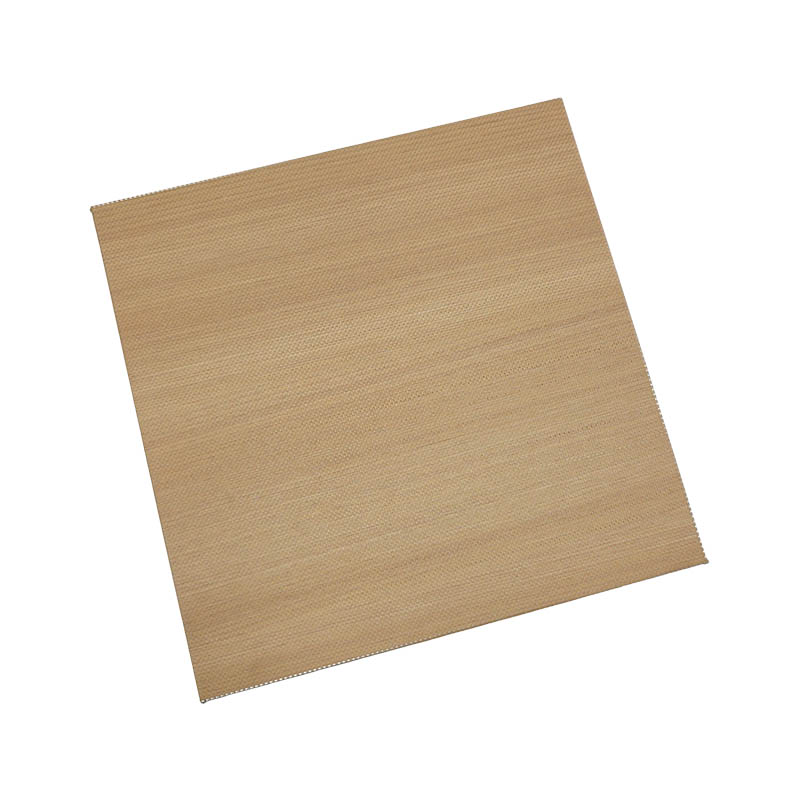
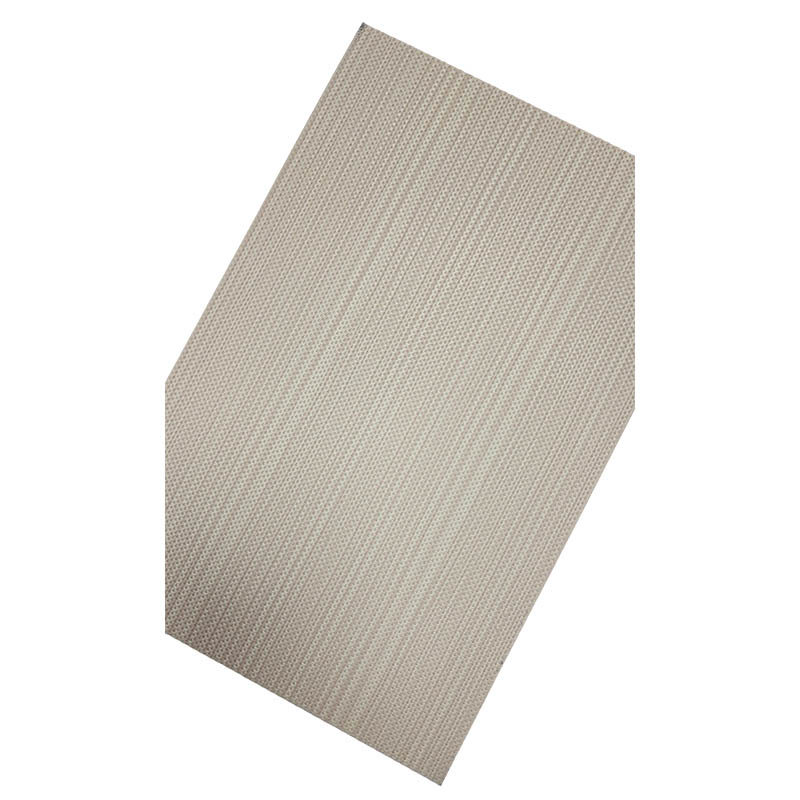
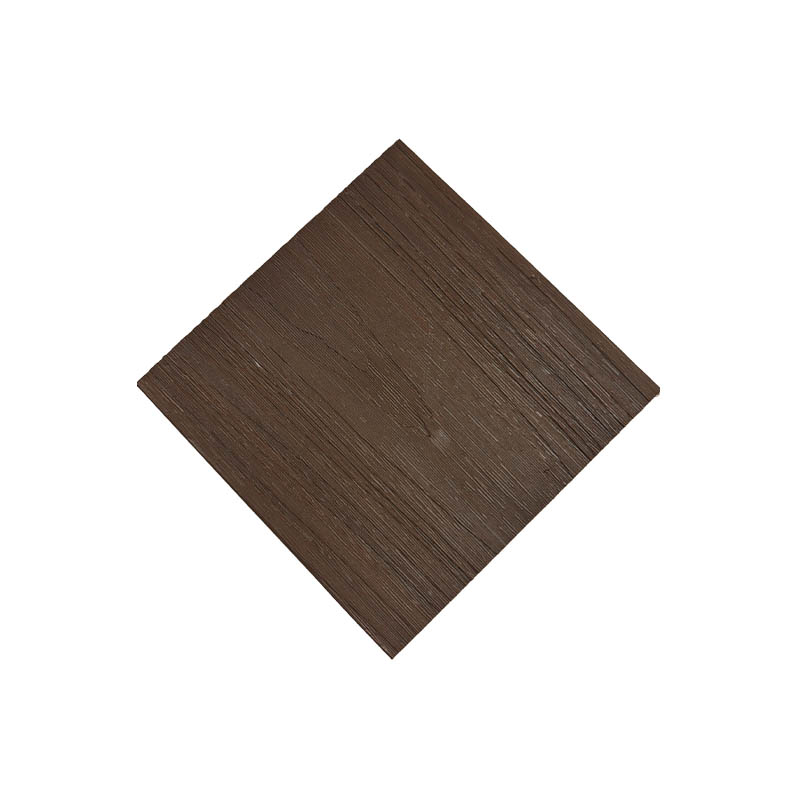
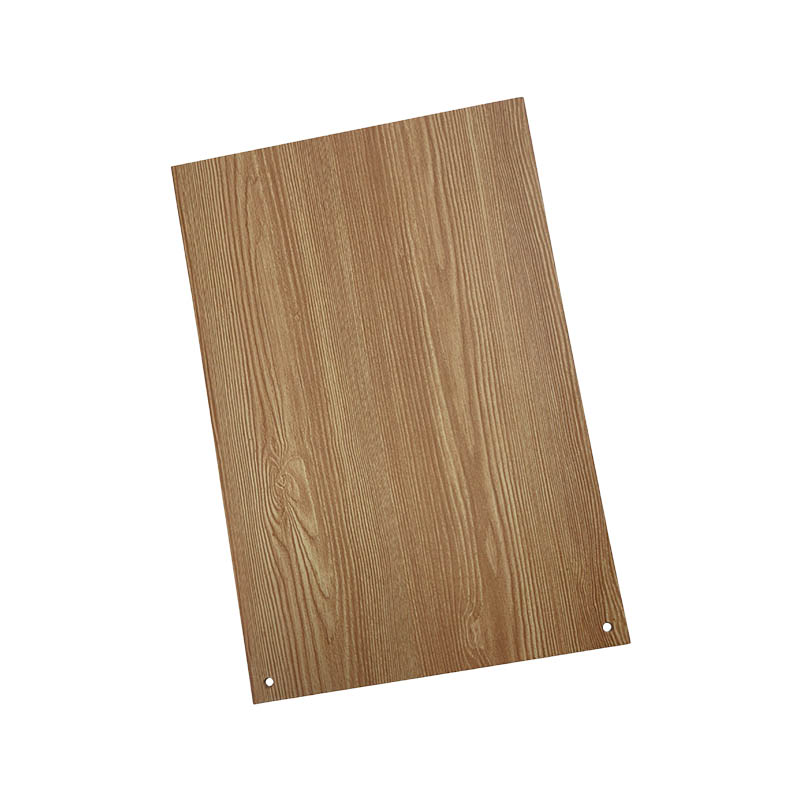
The honeycomb aluminum panel surface can undergo various treatments, such as spraying, anodizing, or wood grain coating, maintaining its sound-absorbing function while enhancing visual appeal. This dual optimization of visual and auditory aspects makes the space more comfortable and modern, especially in commercial spaces, theaters, or exhibition halls, improving the overall user experience.
6. Long-Term Stability and Environmental Advantages
Made of corrosion-resistant aluminum, the microporous sound-absorbing honeycomb aluminum panel boasts a stable structure that is resistant to aging, ensuring long-term maintenance of its sound-absorbing performance. Meanwhile, aluminum is recyclable, aligning with modern green building principles. In practical applications, this panel not only enhances spatial acoustic comfort but also considers environmental and sustainability values.
The microporous sound-absorbing honeycomb aluminum panel achieves comprehensive optimization of the indoor acoustic environment through microporous sound absorption, honeycomb support, multi-layered sound absorption mechanisms, and aesthetic design. It effectively reduces echoes and noise interference, improving auditory comfort while maintaining structural strength and visual appeal. This results in a dual enhancement of functionality and experiential quality in architectural spaces, making it a crucial choice for modern architectural acoustic design.
1. Microporous Structure Design: Effective Sound Wave Absorption
The core feature of microporous sound-absorbing honeycomb aluminum panels lies in the uniformly distributed micropores on their surface. These micropores convert sound wave energy into tiny air vibrations, effectively attenuating reflected sound and echoes. In mid-to-high frequency noise environments, this structure significantly reduces random reflections of sound waves within a space, making the overall sound field more uniform and thus improving auditory comfort.
2. Honeycomb Core Support: Balancing Strength and Lightweight
Besides its microporous sound-absorbing function, the honeycomb core design within the honeycomb aluminum panel endows the material with both high strength and lightweight properties. This structure can withstand both static and dynamic loads during building use and ensures the panel is not easily deformed over long-term use. A stable physical structure is crucial for maintaining long-term acoustic performance, as panel deformation can lead to decreased sound absorption or abnormal sound wave reflection.
3. Multi-Layer Sound Absorption Mechanism: Enhancing Broadband Performance
Microporous sound-absorbing honeycomb aluminum panels typically employ a multi-layer design, including a combination of a metal panel, a honeycomb core, and a backing air layer. This multi-layer sound absorption mechanism effectively processes sound waves of different frequencies. Low-frequency sound waves experience partial energy attenuation through the air cavities of the honeycomb core, while mid-to-high-frequency sound waves are absorbed at the microporous surface, thus achieving broadband acoustic optimization and ensuring a comfortable indoor environment across all frequencies.
4. Reduced Echoes and Noise Interference: Improved Spatial Acoustic Experience
In large conference rooms, office areas, or entertainment venues, echoes and environmental noise are major factors affecting the auditory experience. Microporous sound-absorbing honeycomb aluminum panels significantly reduce multiple sound wave reflections, minimizing echo interference and lowering the overall noise level of the space. This noise reduction effect not only improves speech clarity but also enhances auditory comfort within the space, making communication and activities more efficient and enjoyable.
5. Aesthetics and Functionality Combined: Enhanced Overall Spatial Experience
The honeycomb aluminum panel surface can undergo various treatments, such as spraying, anodizing, or wood grain coating, maintaining its sound-absorbing function while enhancing visual appeal. This dual optimization of visual and auditory aspects makes the space more comfortable and modern, especially in commercial spaces, theaters, or exhibition halls, improving the overall user experience.
6. Long-Term Stability and Environmental Advantages
Made of corrosion-resistant aluminum, the microporous sound-absorbing honeycomb aluminum panel boasts a stable structure that is resistant to aging, ensuring long-term maintenance of its sound-absorbing performance. Meanwhile, aluminum is recyclable, aligning with modern green building principles. In practical applications, this panel not only enhances spatial acoustic comfort but also considers environmental and sustainability values.
The microporous sound-absorbing honeycomb aluminum panel achieves comprehensive optimization of the indoor acoustic environment through microporous sound absorption, honeycomb support, multi-layered sound absorption mechanisms, and aesthetic design. It effectively reduces echoes and noise interference, improving auditory comfort while maintaining structural strength and visual appeal. This results in a dual enhancement of functionality and experiential quality in architectural spaces, making it a crucial choice for modern architectural acoustic design.